FuelGiant
Independent Fuel & Energy Information
Explore the definitive resource for automotive energy solutions, offering insights into fuel types, motor oils, and cutting-edge energy technologies.
Why FuelGiant?
At FuelGiant, we translate complex energy engineering into practical automotive excellence.
Our mission is to empower vehicle owners through science-based insights and unbiased, data-driven guides. In an era of evolving fuel standards and sophisticated engine technologies, we bridge the gap between laboratory research and everyday driving.
Whether it is optimizing fuel efficiency, selecting the right lubricants, or understanding emerging green technologies, our expertise is dedicated to one goal: enhancing your engine’s performance and maximizing its longevity.
Trusted sources
Comprehensive Fuel Insights
Key Features of FuelGiant
Petrol Insights
Master the science of Octane ratings and E10 compatibility. We break down fuel chemistry to help you prevent engine knocking and optimize combustion efficiency for maximum power output.
Diesel Expertise
Navigate the complexities of AdBlue (SCR) and DPF systems. Our guides focus on maintaining fuel system purity and understanding Cetane ratings to ensure long-term diesel reliability and emission compliance.
Advanced Lubricants
Explore the world of liquid engineering. We analyze OEM approvals and viscosity grades to help you select the perfect oil that minimizes friction and protects your engine under extreme thermal stress.
Future Energy
Stay informed on the transition to Hydrogen, LPG/CNG, and E-fuels. We provide technical data on alternative energy sources and the latest advancements in sustainable automotive technology.
95 vs. 100 Octane Petrol: Does Your Engine Actually Benefit?
Understanding the differences between 95 and 100 octane petrol is essential for drivers aiming to achieve optimal engine performance and fuel efficiency. The ‘Premium’ label can often create confusion regarding its necessity, but a closer look at the chemical properties and pricing reveals key insights.
The octane rating primarily indicates a fuel’s resistance to compression and knocking, adhering to the EN 228 European Standard that sets specific quality benchmarks. Additionally, the presence of ethanol complicates the comparison; E10 petrol, typically rated at 95 octane, contains up to 10 percent ethanol, which may alter combustion characteristics compared to E5 or ethanol-free 100 octane fuels.
Moreover, the inclusion of Ethyl Tert-Butyl Ether (ETBE) in some formulations can improve storage stability, providing further benefits. Modern engines equipped with advanced electronic control units (ECU) and knock sensors are designed to optimize performance with higher octane ratings, allowing drivers to fully leverage the advantages of 100 octane fuel.
In contrast, classic vehicles may not see substantial improvements with higher octane fuels, as they lack the engineering to take advantage of these enhancements. Ultimately, the choice to invest in 100 octane petrol should be based on your engine’s specific requirements; enthusiasts seeking the best performance from high-compression engines may find the extra expense warranted, while most everyday vehicles will operate efficiently on 95 octane without sacrificing performance or fuel economy.
E10 Fuel Compatibility: Is Your Engine Safe from Ethanol Damage?
As environmental regulations tighten, E10 petrol—containing up to 10% bio-ethanol—has become the standard at filling stations across Europe. While modern vehicles are engineered to handle this blend, understanding its impact is crucial for maintaining engine longevity. The primary concern stems from the fact that ethanol is hygroscopic, meaning it naturally attracts and absorbs moisture from the atmosphere.
In older automotive systems, this moisture absorption can lead to phase separation, where a water-ethanol mix settles at the bottom of the fuel tank, potentially causing corrosion. Furthermore, high concentrations of ethanol can be aggressive toward specific materials found in classic or pre-2005 cars, such as nitrile rubber seals, fiberglass, and certain aluminum alloys. These components may degrade over time when exposed to E10, leading to fuel system leaks or clogged injectors.
To mitigate these risks, owners of older vehicles or those that are stored for long periods should consider using fuel stabilizers or switching to Premium 100 octane (E5) fuels, which contain lower ethanol levels and offer better storage stability. For the majority of vehicles manufactured after 2011, E10 is a safe and efficient choice, but staying informed about your specific manufacturer’s compatibility guidelines is the best way to ensure your engine remains protected for the long term.
Motor Oil Science – Beyond the Viscosity Label
Choosing the right motor oil is as critical as selecting the correct fuel. While most drivers only look at the viscosity grade, such as 5W-30 or 0W-20, the true performance of a lubricant is defined by its chemical additives and manufacturer approvals. Modern engines with tight tolerances and turbochargers require oils that can maintain a stable film under extreme heat while preventing the buildup of carbon deposits.
The foundation of oil standards lies in the ACEA (European Automobile Manufacturers’ Association) and API (American Petroleum Institute) classifications. These ratings determine if an oil is suitable for vehicles with Diesel Particulate Filters (DPF) or gasoline engines with direct injection. Using an incorrect specification can lead to “Low-Speed Pre-Ignition” (LSPI) in petrol engines or the premature clogging of exhaust treatment systems in diesels, resulting in repairs costing thousands of euros.
Furthermore, the debate between synthetic vs. semi-synthetic oils has evolved. Today’s “Long-Life” service intervals demand high-quality synthetic bases that resist oxidation and shear over 15,000 to 30,000 kilometers. However, for maximum engine protection, FuelGiant recommends considering operating conditions: heavy city driving or frequent cold starts may necessitate more frequent changes regardless of the oil’s premium status. Always verify that your oil bottle displays the exact OEM approval code (e.g., VW 507.00, BMW LL-04, or Mercedes 229.51) required by your car’s manual.
Common Oil Myths Debunked
Thicker oil is always better for older engines.
This is a dangerous misconception. While older engines may have larger internal clearances, modern oil pumps are designed for specific viscosities. Switching to a much thicker oil can prevent the lubricant from reaching critical components quickly during a cold start, leading to increased wear rather than protection.
You can tell the condition of oil just by its color.
Not necessarily. In diesel engines, oil often turns black within the first few hundred kilometers due to soot particles being held in suspension—this actually means the oil is doing its job. Chemical analysis is the only way to truly determine if the oil has reached the end of its life.
All synthetic oils are basically the same.
False. The performance of synthetic oil depends heavily on its base stock (Group III vs. Group IV/V) and its specific additive package. Always prioritize the manufacturer’s approval code (e.g., MB 229.5) over the brand name or the “Full Synthetic” label.
If you don't drive much, you don't need to change the oil for years.
Oil degrades not just through mileage, but also through oxidation and moisture buildup. Short trips prevent the engine from reaching operating temperatures, allowing water to contaminate the oil. We recommend an oil change at least once a year, regardless of low mileage.
AdBlue & SCR Systems – Essential Maintenance for Modern Diesels
For owners of modern Euro 6 compliant diesel vehicles, AdBlue is as essential as fuel itself. The Selective Catalytic Reduction (SCR) system uses this high-purity urea solution (32.5% urea and 67.5% deionized water) to convert harmful nitrogen oxides (NOx) into harmless nitrogen and water vapor. While the process is highly effective for environmental protection, the hardware behind it—including NOx sensors, dosing pumps, and injectors—is extremely sophisticated and requires precise handling to avoid system-wide lockdowns.
The most common failure points in SCR systems arise from fluid contamination and crystallization. AdBlue is highly sensitive to impurities; even the smallest trace of minerals from tap water or dirt can permanently poison the expensive catalyst core. Furthermore, if the vehicle is primarily used for short city commutes where exhaust temperatures remain below 200°C, the fluid may not atomize correctly. This leads to cyanuric acid buildup and white urea crystals forming around the injector nozzle, which triggers “limp mode” and initiates a countdown timer on the dashboard that prevents engine restart once the tank is “empty.”
To ensure long-term reliability, always use fluid certified under the ISO 22241 standard and store it away from direct sunlight, as temperatures above 30°C accelerate chemical degradation. It is also important to remember that AdBlue has a shelf life of approximately 12 months. By maintaining system purity and ensuring occasional long-distance drives to complete the thermal cleaning cycle, drivers can avoid the most frequent and costly “Check Engine” warnings associated with modern diesel exhaust treatment.
Fuel Additives – Liquid Engineering for Engine Longevity
In the pursuit of peak performance and emissions compliance, fuel additives have evolved from optional enhancements to essential maintenance tools. Modern direct-injection engines (GDI and Common Rail) are prone to internal deposits that can disrupt spray patterns and lead to inefficient combustion. Specialized additives, such as Polyetheramine (PEA) detergents, are engineered to remove carbon buildup from fuel injectors and combustion chambers, restoring the engine’s original efficiency without the need for mechanical disassembly.
Beyond cleaning, the contemporary additive market focuses on stability and protection. For vehicles utilizing E10 petrol, ethanol stabilizers are vital to prevent phase separation and protect fuel system components from corrosion. In the diesel sector, cetane boosters and anti-gel agents ensure reliable ignition and flow during extreme winter conditions. However, at FuelGiant, we emphasize the importance of using products that meet OEM-tested standards to avoid damaging sensitive sensors—such as the Oxygen (Lambda) sensors or the Catalytic Converter—by over-concentrating the fuel mixture.
Whether you are seeking a performance boost or a preventative carbon-cleaning solution, the key lies in targeted application. High-mileage engines benefit significantly from a systematic approach: starting with a fuel system cleaner followed by a long-term friction modifier. By integrating these “liquid engineers” into your maintenance routine, you can effectively mitigate the side effects of modern bio-blended fuels and ensure that your powertrain remains at its theoretical maximum efficiency for years to come.
Expert Maintenance Tip
Always look for the ISO 22241 or ASTM D5500 standards on additive labels. Ensuring these certifications is the only way to guarantee full compatibility with modern catalytic converters and sensitive oxygen (lambda) sensors.
Explore Our Categories
Petrol
Master the science of Octane ratings (95 vs 100) and ensure E10 compatibility for peak combustion efficiency.
Diesel
Navigate SCR & AdBlue maintenance while understanding Cetane numbers to prevent costly system failures.
LPG
Explore the economics of Autogas conversions, focusing on valve seat protection and gaseous fuel stability.
CNG
Technical insights into Compressed Natural Gas as a high-octane, low-emission alternative for heavy-duty cycles.
Hydrogen
Stay ahead with the latest advancements in Fuel Cell technology and zero-emission automotive energy.
Motor Oils
Decipher OEM approvals and viscosity grades to choose the ultimate liquid engineering for your engine.
Future Energy
Investigating Synthetic E-Fuels and carbon-neutral solutions set to revolutionize the internal combustion engine.
Fuel Additives
Optimize performance with PEA-based detergents, injector cleaners, and advanced friction modifiers.
Automotive Engineering & Vehicle Technology
Latest Insights and Updates
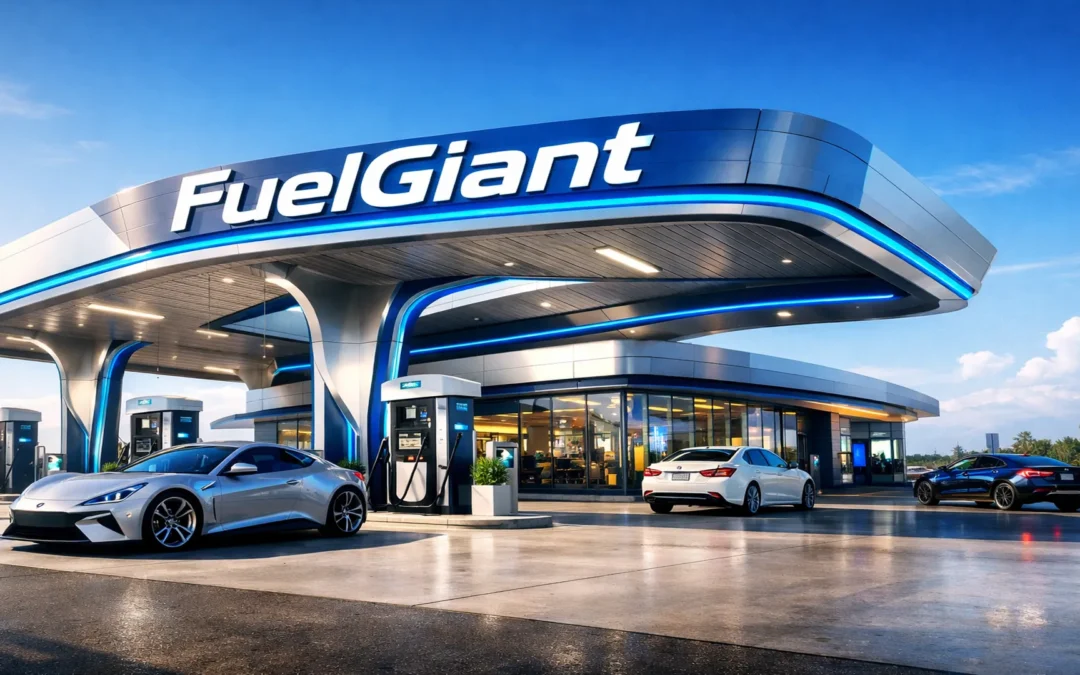
Welcome to FuelGiant – Powering the Future of Fuel & Energy
Discover the future of energy with FuelGiant, your gateway to comprehensive fuel solutions, from conventional to cutting-edge technologies.FuelGiant is dedicated to transforming the energy landscape by offering a seamless blend of traditional and innovative fuel...

95 vs 98 Octane
Most drivers stand at the fuel pump and wonder: Is it worth paying more for 98 octane, or is 95 perfectly fine for my car? There is a lot of misinformation about "Premium" fuels, with many believing they provide more power or cleaner combustion. Let’s break down the...
What Our Users Say
★★★★★
FuelGiant has transformed the way I understand fuel efficiency. Their expert advice has saved me both time and money!

Alex Johnson
Automotive Enthusiast
★★★★★
As a mechanic, I rely on FuelGiant for accurate and unbiased information. It’s my go-to resource for all things fuel-related.

Jamie Lee
Professional Mechanic
© 2026 FuelGiant. All Rights Reserved. Disclaimer: The technical insights, chemical analyses, and maintenance advice provided on FuelGiant.com are for educational and informational purposes only. Always refer to your vehicle’s official manufacturer manual and OEM specifications. FuelGiant is not liable for any mechanical issues, warranty voids, or damages resulting from the use or misuse of the information provided on this website.